

첫 번째 길: 미덕의 인물들
세상은 그 안에 살고 있는 남성과 여성이 발휘하는 도덕적 에너지에 비례하여 천천히 그리고 멈춘 방식으로 진보한다.
매우 도덕적인 사람이 도덕적 대의에 헌신하는 삶을 사는 모습은 다른 사람들의 도덕적 행동에 강력한 영향을 미칠 수 있다. 일반적으로 사람들은 관념적인 논문보다 인간의 삶의 모범에 훨씬 매료된다. 도덕적 모범의 특별한 영향은 대체로 추상적 개념보다 개인적인 구현을 선호하는 인간의 자연스러운 선호에 기인한다. [도덕적] 특성은 “의인화”되는데, 이는 은유적 사고나 수사적 사고와 다르지 않은 상징적 과정이다. 다른 상징적 과정들과 마찬가지로, 의인화는 인간과 행동의 강력한 동인이다. 추상적인 생각들을 문자 그대로 현실화함으로써 이해하기 어려운 개념들을 전달할 뿐만 아니라 구현하도록 만든다. 위대한 시나 노래가 깊은 감정을 불러일으키듯 상징적 힘은 행위를 수반한다.
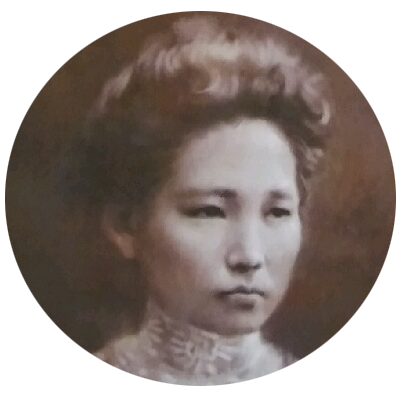
Kim Nansa (1872-1919). Learn more about her by finding her from the "Persons of Virtue" drop down menu below.
Learning the "persons of virtue" is part biography, part ethics. After reflecting on the quotes above, go to the "Persons of Virtue" bar below. Click on one of the virtues, and then select a name from the dropdown menu. This will take you to a page of resources connected to your chosen moral exemplar. Once there, you need to process the information and learn. Read attentively and reflect on how your chosen person embodies the selected virtue. This can take hours, especially if there is a lot of content associated with the person that you select. For example, Philip Jaisohn's page contains a lot of material that takes many hours to properly digest. Your core task: try to discover a specific action that exemplifies one or more of the listed virtues.
Consider the quotes above as you explore. One way to think about a person of virtue is to think of such a person as a bearer of "moral energy". As there is a plurality of virtues, "moral energy" comes in different frequencies.
You should spend at least *one hour* learning about the selected person and reflecting on the ethical dimensions of that person's character. Once you "enter the forest" this way, try to discover a new person of virtue.


